 December 01, 2023
Accuracy in Medical Translation: A Matter of Life and Death
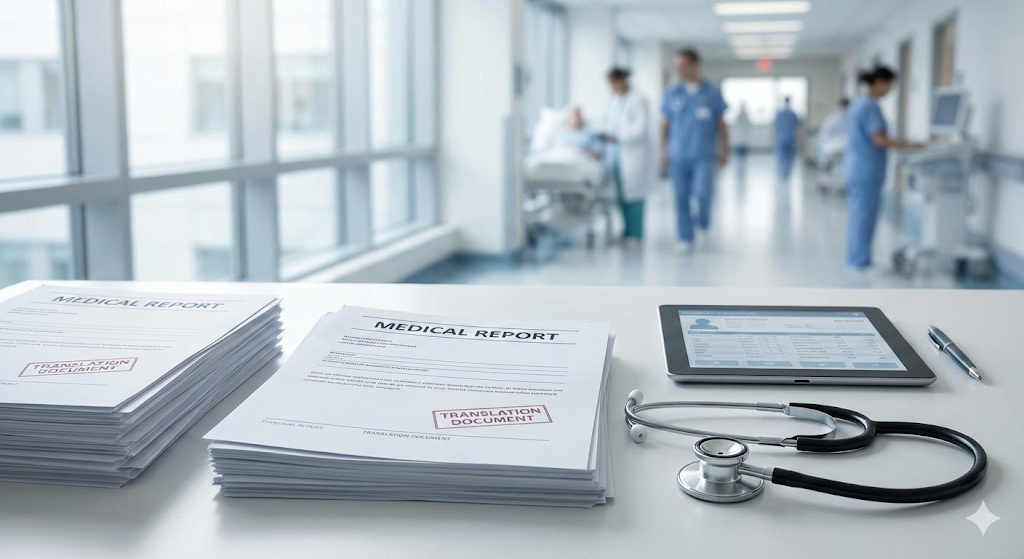
Medical translation is one of the most sensitive and high-risk fields of professional translation. Unlike general or commercial content, medical documents leave absolutely no margin for error. A single mistranslated dosage instruction, allergy warning, or medical history detail can result in serious injury or even loss of life.
In healthcare environments, accuracy is not merely a quality standard—it is a legal, ethical, and clinical necessity. Medical translation directly impacts patient safety, treatment outcomes, regulatory compliance, and institutional credibility.
Why Accuracy in Medical Translation Is Critical
Medical documents are used by doctors, nurses, pharmacists, regulators, and patients. Any misunderstanding caused by inaccurate translation can lead to misdiagnosis, incorrect treatment, or improper medication use.
Common medical documents that require precise translation include:
• Medical reports and patient histories
• Prescriptions and dosage instructions
• Clinical trial documentation
• Medical device manuals and instructions for use
• Informed consent forms
• Pharmaceutical labeling and leaflets
Each of these documents involves highly specialized terminology that must be translated with scientific precision and contextual understanding.
Risks of Inaccurate Medical Translation
Errors in medical translation can have severe consequences, such as:
• Incorrect medication dosage or administration
• Failure to identify allergies or contraindications
• Misinterpretation of diagnostic results
• Non-compliance with healthcare regulations
• Legal liability for healthcare providers and institutions
In regulated healthcare systems like the UAE, such errors can also lead to document rejection by authorities, delays in approvals, or penalties imposed by regulatory bodies.
The Importance of Specialized Medical Translators
Professional medical translation requires more than language fluency. Qualified medical translators must possess:
• Strong background in medical and pharmaceutical terminology
• Understanding of healthcare systems and clinical practices
• Familiarity with international and UAE medical regulations
• Experience with Ministry of Health (MOH) submission requirements
At Cervantes Legal Translation, medical documents are handled by translators with domain-specific expertise, ensuring that terminology related to treatments, procedures, and medications is rendered accurately and consistently.
Regulatory Compliance in the UAE
Medical documents submitted to healthcare authorities in the UAE must meet strict regulatory standards. In many cases, certified translations are required for submissions to the UAE Ministry of Health, hospitals, insurance providers, and clinical research organizations.
Failure to provide accurate and properly formatted translations can result in rejection, delays, or legal exposure. Certified medical translation ensures that documents are accepted without unnecessary complications.
Quality Control and Verification
Reliable medical translation involves multi-layered quality control, including:
• Terminology verification against medical references
• Cross-checking numerical data and measurements
• Review by a second qualified linguist
• Consistency checks across all documents
These processes minimize risk and ensure the highest level of accuracy.
Conclusion
In medical translation, accuracy is not optional—it is a matter of life and death. Healthcare providers, pharmaceutical companies, and patients depend on precise communication to ensure safety, compliance, and effective treatment.
Choosing a professional medical translation provider with proven expertise, rigorous quality controls, and regulatory knowledge is essential for protecting lives, reputations, and legal standing.